
Hr London Construction Ltd
Location: Derby, Derbyshire
Member Since: 26th Nov 2022
Feedback:
2 reviews, 100% Positive
Trades:
- Chimney and Fireplace Specialists
- Bathroom Fitters
About Us:
I am a hardworking and reliable construction worker with good experience on site. I am physically fit, punctual, and able to work in fast-paced environments. I follow all health and safety rules and work well in a team. I have experience with general labour work, material handling, and basic tools. I am always willing to learn new skills and take on responsibility.
Photos:
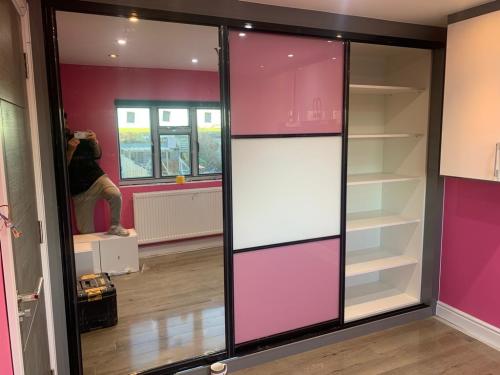
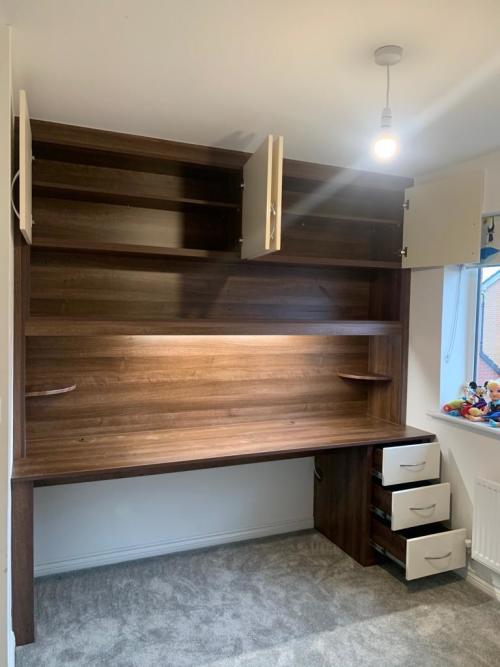
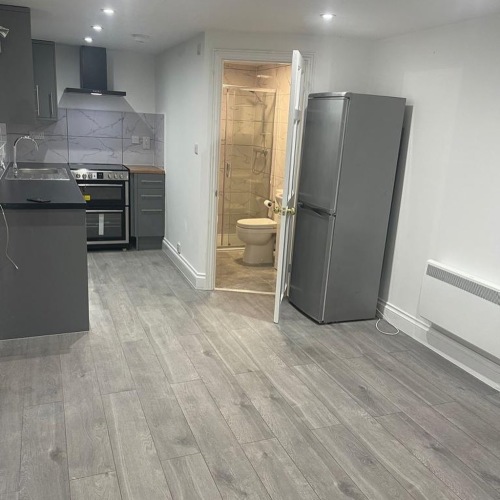
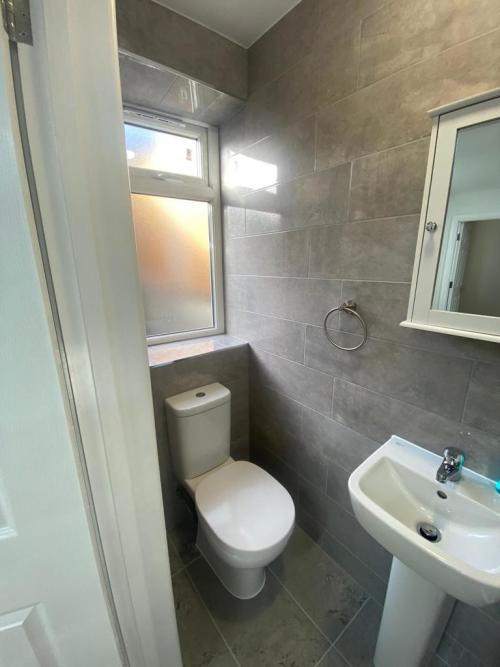
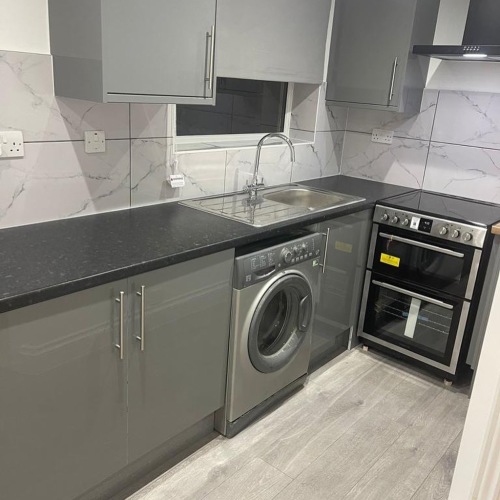
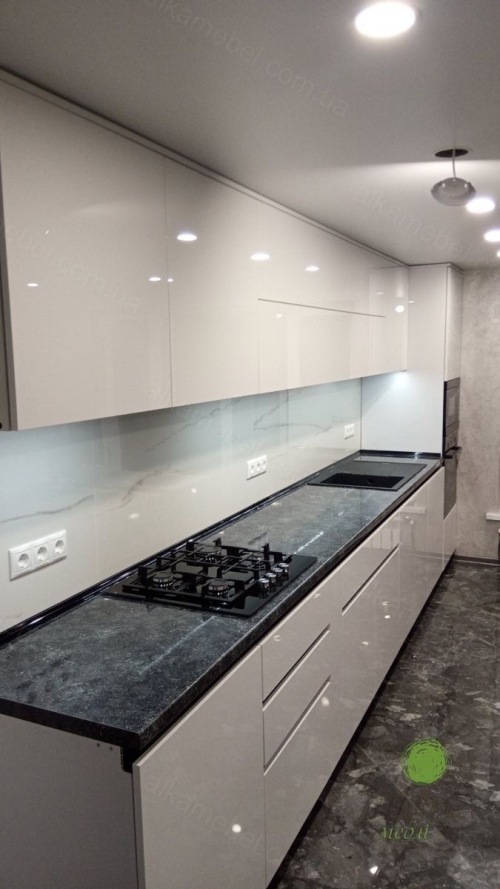
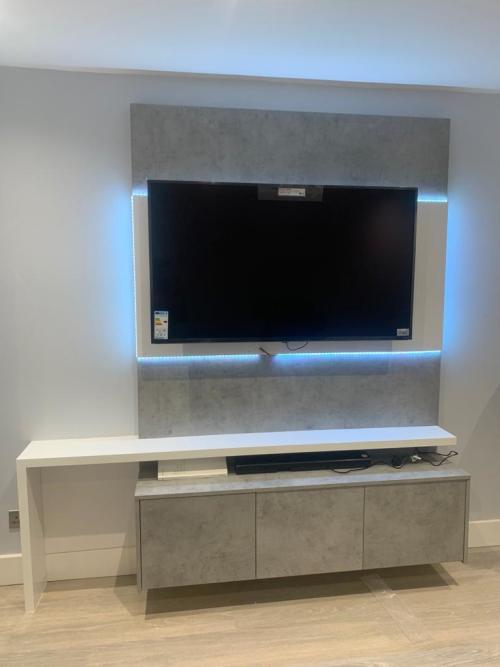

History:
I have been decorating for the past 24+ years as an interior and exterior decorator. My business has evolved to a respectable and reliable place due to hard work, great customer care, prompt service, and nice finishing.
Other:
24+ years of experience.
My work is my identity.
My work is my identity.
Feedback:
2 reviews, 100% Positive
Answers:
In this situation, i wouldn’t recommend tiling directly onto plaster, especially with existing damp, as it can lead to failure of adhesive over time.
best practice would be to first address the source of moisture as much as possible. for the tiling, i would install a cement-based tile backer board (such as hardiebacker) rather than standard plasterboard.
if there is ongoing damp, creating a small cavity using treated timber battens and fixing a backer board on top can help with airflow and reduce moisture build-up behind the tiles. all materials used should be suitable for damp environments, including flexible adhesive and grout.
overall, a solid, moisture-resistant backing with proper preparation will ensure a long-lasting and professional finish.
best practice would be to first address the source of moisture as much as possible. for the tiling, i would install a cement-based tile backer board (such as hardiebacker) rather than standard plasterboard.
if there is ongoing damp, creating a small cavity using treated timber battens and fixing a backer board on top can help with airflow and reduce moisture build-up behind the tiles. all materials used should be suitable for damp environments, including flexible adhesive and grout.
overall, a solid, moisture-resistant backing with proper preparation will ensure a long-lasting and professional finish.
For a modern uk system with a pressurised hot water cylinder, you should be careful before removing a shower bar valve.
turning off the mains water supply will stop the cold feed, but the system may still hold pressure from the cylinder. in most setups, there is usually an isolation valve on the cold feed to the cylinder, and sometimes on the hot outlet as well, but this depends on the installation.
before starting, i would recommend:
• turn off the mains water supply
• switch off the boiler and hot water system
• open taps to relieve pressure and drain down the system
if there are no visible isolation valves for the shower, you may need to drain the system partially. however, it’s important to avoid running the cylinder dry or causing airlocks.
if unsure, it’s safest to have a qualified plumber carry out the work, as pressurised systems can be sensitive and need proper handling.
turning off the mains water supply will stop the cold feed, but the system may still hold pressure from the cylinder. in most setups, there is usually an isolation valve on the cold feed to the cylinder, and sometimes on the hot outlet as well, but this depends on the installation.
before starting, i would recommend:
• turn off the mains water supply
• switch off the boiler and hot water system
• open taps to relieve pressure and drain down the system
if there are no visible isolation valves for the shower, you may need to drain the system partially. however, it’s important to avoid running the cylinder dry or causing airlocks.
if unsure, it’s safest to have a qualified plumber carry out the work, as pressurised systems can be sensitive and need proper handling.
This type of work is quite common but would need to be assessed properly on site before starting.
bricking up the external door and installing a small window is straightforward. it would involve matching the existing brickwork, installing a suitable lintel if required, and ensuring proper insulation and damp protection.
for knocking through the internal wall, it’s important to first confirm whether it is load-bearing. if it is non-load bearing, the work is relatively simple. if it is load-bearing, a structural support such as a lintel or steel beam (rsj) will be required, and this may need building control approval.
making good internally would include plastering, finishing, and ensuring electrics and plumbing are safely adjusted if needed.
costs can vary depending on structure, materials, and access, but i would always recommend a site visit to give an accurate quote and check everything properly before work begins.
bricking up the external door and installing a small window is straightforward. it would involve matching the existing brickwork, installing a suitable lintel if required, and ensuring proper insulation and damp protection.
for knocking through the internal wall, it’s important to first confirm whether it is load-bearing. if it is non-load bearing, the work is relatively simple. if it is load-bearing, a structural support such as a lintel or steel beam (rsj) will be required, and this may need building control approval.
making good internally would include plastering, finishing, and ensuring electrics and plumbing are safely adjusted if needed.
costs can vary depending on structure, materials, and access, but i would always recommend a site visit to give an accurate quote and check everything properly before work begins.
Plumber’s mait wouldn’t be suitable for sealing around a shower tray, as it’s not designed for exposed joints or areas with regular water flow.
the best solution is to remove all the old sealant completely, clean and dry the area properly, and then reseal using a high-quality sanitary-grade silicone. it’s important to make sure the surface is free from mould, grease, and moisture before applying.
if there has been significant movement, i would also check that the shower tray is properly supported underneath, as movement can cause the seal to fail again. in some cases, re-bedding or reinforcing the tray may be needed.
using a flexible, mould-resistant bathroom silicone will provide a long-lasting and watertight seal.
the best solution is to remove all the old sealant completely, clean and dry the area properly, and then reseal using a high-quality sanitary-grade silicone. it’s important to make sure the surface is free from mould, grease, and moisture before applying.
if there has been significant movement, i would also check that the shower tray is properly supported underneath, as movement can cause the seal to fail again. in some cases, re-bedding or reinforcing the tray may be needed.
using a flexible, mould-resistant bathroom silicone will provide a long-lasting and watertight seal.
Horizontal cracks above a doorway in newer properties can sometimes be linked to normal settlement or movement, especially around lintels where different materials meet. however, a crack up to around 1cm is wider than typical cosmetic cracking, so it’s worth monitoring more closely.
if the crack has reappeared after filling, it may indicate some ongoing movement rather than just surface shrinkage. common causes can include minor structural movement, thermal expansion, or slight movement around the lintel above the door.
it’s unlikely to be caused just by slamming doors. while that can cause minor stress, cracks of that size are usually related to movement in the structure or materials.
i would recommend:
• monitoring the crack over time (check if it gets wider or longer)
• looking for other signs like sticking doors/windows or additional cracks
• if concerned, having it inspected by a professional or structural engineer
as the property may still be under warranty, it could be worth getting it assessed before it gets worse, even with the excess, to rule out any structural issues early.
if the crack has reappeared after filling, it may indicate some ongoing movement rather than just surface shrinkage. common causes can include minor structural movement, thermal expansion, or slight movement around the lintel above the door.
it’s unlikely to be caused just by slamming doors. while that can cause minor stress, cracks of that size are usually related to movement in the structure or materials.
i would recommend:
• monitoring the crack over time (check if it gets wider or longer)
• looking for other signs like sticking doors/windows or additional cracks
• if concerned, having it inspected by a professional or structural engineer
as the property may still be under warranty, it could be worth getting it assessed before it gets worse, even with the excess, to rule out any structural issues early.
Would you like a quote from this tradesperson?
Invite them to quote for your job & get a fast response.
- Other tradespeople may express their interest as well.