
Professional Painter Group
Location: Nelson, Lancashire
Member Since: 17th Jul 2024
Feedback:
0 reviews
About Us:
As a third-generation painter with 22 years of experience in the industry, I am thrilled to announce the launch of my own professional painting business. With a deep-rooted passion for painting and a commitment to excellence, I am dedicated to providing top-notch services to both commercial and residential clients. Our team of experienced painters is ready to transform spaces and bring visions to life through quality workmanship and attention to detail.
Services Offered:
Residential Painting: Elevate the look of your home with our expert residential painting services. From interior walls to exterior facades, we specialize in enhancing your living space with a fresh coat of paint.
Commercial Painting: Make a lasting impression on clients and customers with our professional commercial painting solutions. Whether it’s an office building, retail space, or industrial facility, we have the expertise to deliver exceptional results.
Interior and Exterior Painting: Our team is skilled in both interior and exterior painting, ensuring that every surface is treated with care and precision. From intricate trim work to large-scale exteriors, we handle it all.
Color Consultation: Not sure which color palette will best suit your space? We offer personalized color consultation services to help you choose the perfect hues that reflect your style and preferences.
Surface Preparation: Proper surface preparation is key to a flawless paint job. We take the time to prepare surfaces thoroughly, ensuring long-lasting results that exceed expectations.
Why Choose Us:
Experience: With three generations of painting expertise behind us, we bring a wealth of knowledge and skill to every project.
Quality Workmanship: We take pride in delivering high-quality work that stands the test of time, using premium materials and proven techniques.
Customer Satisfaction: Your satisfaction is our priority. We strive to exceed your expectations and ensure a seamless painting experience from start to finish.
Embark on a journey of transformation with our professional painting services. Let us bring color and life into your spaces with precision, passion, and professionalism.
Services Offered:
Residential Painting: Elevate the look of your home with our expert residential painting services. From interior walls to exterior facades, we specialize in enhancing your living space with a fresh coat of paint.
Commercial Painting: Make a lasting impression on clients and customers with our professional commercial painting solutions. Whether it’s an office building, retail space, or industrial facility, we have the expertise to deliver exceptional results.
Interior and Exterior Painting: Our team is skilled in both interior and exterior painting, ensuring that every surface is treated with care and precision. From intricate trim work to large-scale exteriors, we handle it all.
Color Consultation: Not sure which color palette will best suit your space? We offer personalized color consultation services to help you choose the perfect hues that reflect your style and preferences.
Surface Preparation: Proper surface preparation is key to a flawless paint job. We take the time to prepare surfaces thoroughly, ensuring long-lasting results that exceed expectations.
Why Choose Us:
Experience: With three generations of painting expertise behind us, we bring a wealth of knowledge and skill to every project.
Quality Workmanship: We take pride in delivering high-quality work that stands the test of time, using premium materials and proven techniques.
Customer Satisfaction: Your satisfaction is our priority. We strive to exceed your expectations and ensure a seamless painting experience from start to finish.
Embark on a journey of transformation with our professional painting services. Let us bring color and life into your spaces with precision, passion, and professionalism.
Photos:
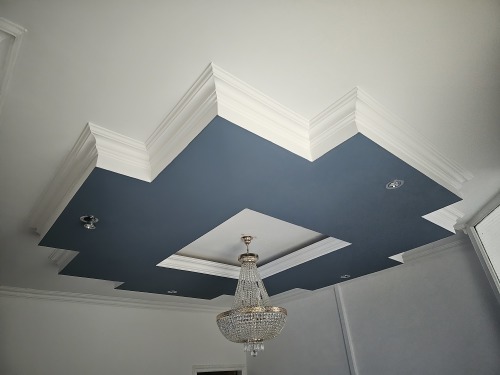
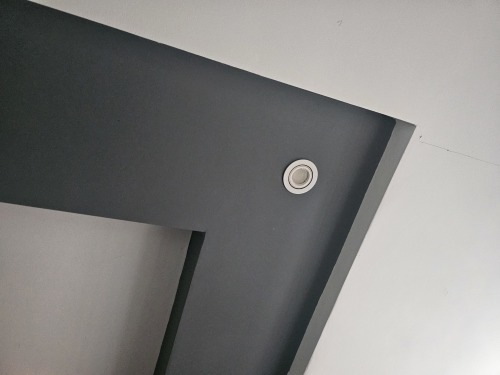
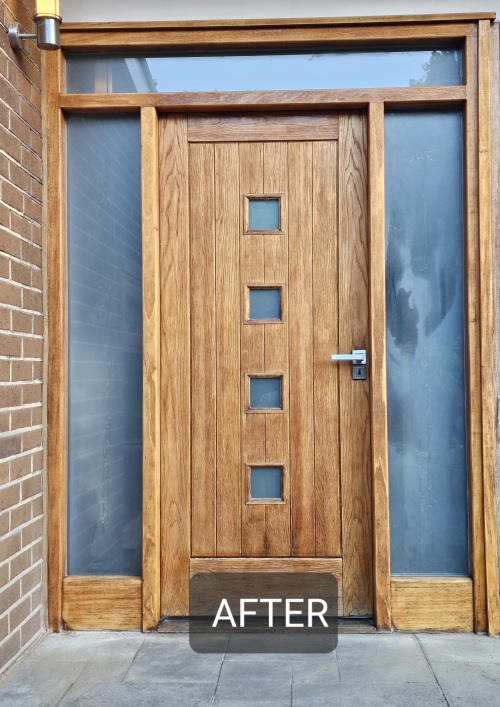
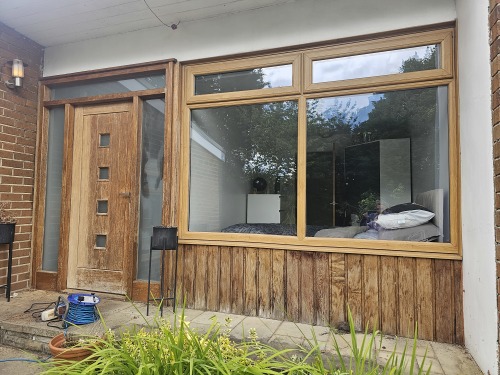
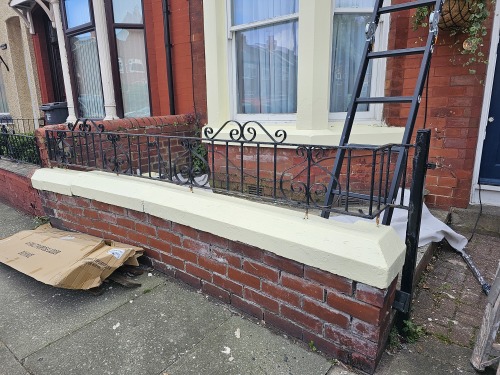
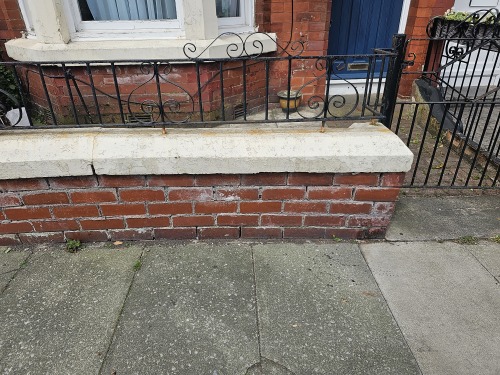
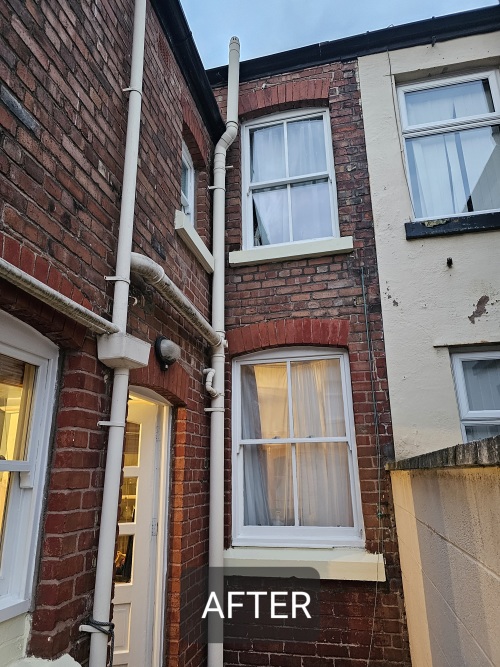
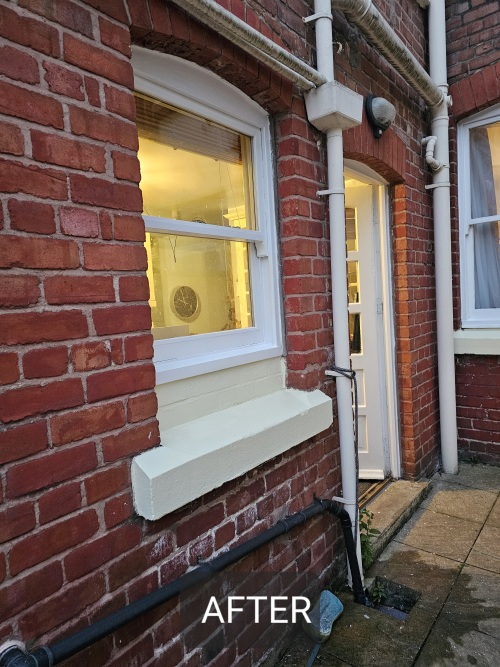
Other:
City and guolds
NVQ2
Painters Pro certificate
Job mate professional
Tradesman pro
NVQ2
Painters Pro certificate
Job mate professional
Tradesman pro
Feedback:
0 reviews
Answers:
The presence of mold in the corner of a bedroom wall can be concerning as it indicates a moisture-related problem that needs to be addressed promptly. mold growth is often a result of excess moisture and poor ventilation, creating an environment conducive to mold spores’ development and proliferation.
addressing the presence of mold in the bedroom corner requires a comprehensive approach that involves identifying and rectifying underlying causes such as condensation, poor ventilation, and insulation issues. by implementing strategies to reduce moisture levels, enhance airflow, and improve insulation, you can effectively combat mold growth and maintain a healthy indoor environment.
addressing the presence of mold in the bedroom corner requires a comprehensive approach that involves identifying and rectifying underlying causes such as condensation, poor ventilation, and insulation issues. by implementing strategies to reduce moisture levels, enhance airflow, and improve insulation, you can effectively combat mold growth and maintain a healthy indoor environment.
Rust or corrosion on radiators can occur due to two main reasons: leaks and a build-up of sludge inside the radiator. the presence of sludge, a black substance that accumulates over time if left untreated, not only affects the heating performance but also leads to internal rusting. this rust can create tiny holes in the radiator, causing leaks and potentially damaging other components such as the boiler, pump, and radiator valves. additionally, sludge can cause blockages in the pipework.
the chemical reaction between water and steel or metals is what causes rust to form on radiators. to prevent this issue, regular maintenance is crucial. here are some steps you can take to avoid rust formation and maintain your radiators:
if you are experiencing rust coming through the paint on your radiator even after repainting, it is crucial to address the underlying rust issue before applying a new coat of paint. here’s a step-by-step guide to help you tackle this problem effectively:
remove existing paint and rust:
start by using methods like white vinegar, tin foil, baking soda, lemon and salt, or sandpaper to remove the existing paint and rust from the radiator surface. these methods are effective in breaking down rust and preparing the surface for repainting.
if sandpaper is proving difficult due to thick layers of paint, consider using a more abrasive tool like a wire brush or a rotary tool with a sanding attachment to remove stubborn paint layers.
apply anti-rust primer:
once you have removed the rust and old paint, apply an anti-rust primer specifically designed for metal surfaces. this primer will create a protective barrier against future rust formation and ensure better adhesion for the new paint.
repaint the radiator:
after allowing the primer to dry completely according to the manufacturer’s instructions, you can proceed to repaint the radiator with a suitable metal paint. make sure to choose a high-quality paint that is durable and heat-resistant for radiators.
apply multiple thin coats of paint rather than one thick coat for better coverage and longevity of the finish.
by following these steps diligently, you can effectively address the rust issue on your radiator and achieve a smooth, long-lasting finish that resists further rusting.
the chemical reaction between water and steel or metals is what causes rust to form on radiators. to prevent this issue, regular maintenance is crucial. here are some steps you can take to avoid rust formation and maintain your radiators:
if you are experiencing rust coming through the paint on your radiator even after repainting, it is crucial to address the underlying rust issue before applying a new coat of paint. here’s a step-by-step guide to help you tackle this problem effectively:
remove existing paint and rust:
start by using methods like white vinegar, tin foil, baking soda, lemon and salt, or sandpaper to remove the existing paint and rust from the radiator surface. these methods are effective in breaking down rust and preparing the surface for repainting.
if sandpaper is proving difficult due to thick layers of paint, consider using a more abrasive tool like a wire brush or a rotary tool with a sanding attachment to remove stubborn paint layers.
apply anti-rust primer:
once you have removed the rust and old paint, apply an anti-rust primer specifically designed for metal surfaces. this primer will create a protective barrier against future rust formation and ensure better adhesion for the new paint.
repaint the radiator:
after allowing the primer to dry completely according to the manufacturer’s instructions, you can proceed to repaint the radiator with a suitable metal paint. make sure to choose a high-quality paint that is durable and heat-resistant for radiators.
apply multiple thin coats of paint rather than one thick coat for better coverage and longevity of the finish.
by following these steps diligently, you can effectively address the rust issue on your radiator and achieve a smooth, long-lasting finish that resists further rusting.
In your quest for the best paint sprayer for domestic rebuild rooms, the graco truecoat 360 vsp stands out as an excellent choice. this paint sprayer is highly recommended for various diy projects, including painting rooms, finishing furniture, and staining wood accents. the graco truecoat 360 vsp is favored for its ease of use, versatility, and efficiency in achieving a professional finish.
Would you like a quote from this tradesperson?
Invite them to quote for your job & get a fast response.
- Other tradespeople may express their interest as well.