
Masterat Flooring Ltd
Location: Stourbridge, Worcestershire
Member Since: 5th Sep 2024
Feedback:
0 reviews
About Us:
Hello, I'm shaf a flooring specialist with a passion for creating beautiful and functional spaces. I approach my work with meticulous attention to detail and a commitment to understanding each client's unique needs. Whether it's selecting the perfect materials or ensuring flawless installation, I take pride in delivering results that not only meet but exceed expectations. What I love most about my job is the opportunity to transform a space and see the satisfaction on a client's face when their vision becomes a reality.
Photos:
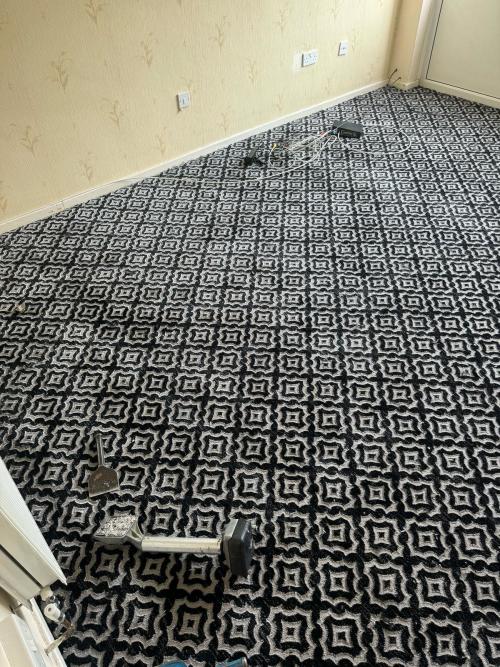
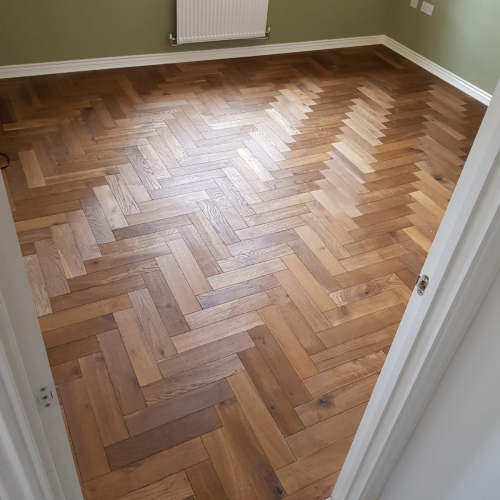
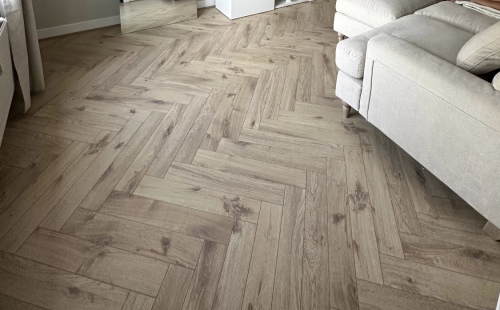
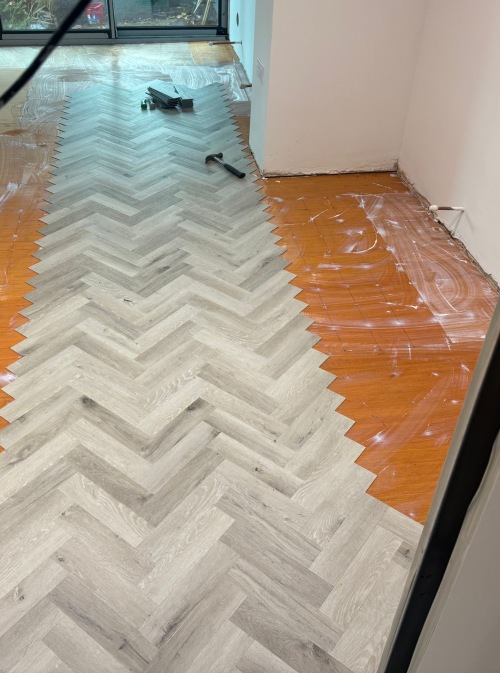
Feedback:
0 reviews
Answers:
To stop laminate flooring from moving under kickboards, follow these steps:
ensure proper expansion gaps: make sure there is an appropriate expansion gap between the laminate and the walls or kickboards. this gap allows the laminate to expand and contract without pushing against fixed objects.
secure the kickboards: attach the kickboards firmly to the wall or base of the cabinets using screws or adhesive, ensuring they hold the laminate in place.
use transition strips: install transition strips or molding at the edges of the laminate flooring where it meets the kickboards. these strips help secure the edges of the laminate and can prevent movement.
check the subfloor: ensure that the subfloor is level and clean. any unevenness can cause the laminate to shift.
reinstall the laminate: if the laminate is already moving, it may need to be removed and reinstalled correctly with proper underlayment and spacing to prevent future movement.
ensure proper expansion gaps: make sure there is an appropriate expansion gap between the laminate and the walls or kickboards. this gap allows the laminate to expand and contract without pushing against fixed objects.
secure the kickboards: attach the kickboards firmly to the wall or base of the cabinets using screws or adhesive, ensuring they hold the laminate in place.
use transition strips: install transition strips or molding at the edges of the laminate flooring where it meets the kickboards. these strips help secure the edges of the laminate and can prevent movement.
check the subfloor: ensure that the subfloor is level and clean. any unevenness can cause the laminate to shift.
reinstall the laminate: if the laminate is already moving, it may need to be removed and reinstalled correctly with proper underlayment and spacing to prevent future movement.
Laying flooring itself typically does not include caulking the skirting, but caulking can be an important part of the finishing process. after installing the flooring and skirting boards (baseboards), you may need to caulk the gap between the skirting and the wall or floor to achieve a clean, finished look. caulking helps to fill any small gaps and can also prevent dust and dirt from accumulating. this step is usually done after the flooring is laid and the skirting is attached.
Based on the measurements provided and considering your plan to cut from a 7.2m x 4m roll, here's a breakdown:
total carpet area required:
bedroom main area:
maximum dimensions: 7.1m x 2.7m (allowing for skirting boards).
area: 7.1m x 2.7m = 19.17 sq m.
built-in closet:
dimensions: 2.4m x 0.9m.
area: 2.4m x 0.9m = 2.16 sq m.
storage cupboard:
dimensions: 2.11m x 1.36m.
area: 2.11m x 1.36m = 2.87 sq m.
total area required:
bedroom + closet + cupboard = 19.17 + 2.16 + 2.87 = 24.20 sq m.
carpet roll size:
roll dimensions: 7.2m x 4m.
area: 7.2m x 4m = 28.8 sq m.
given that you have 28.8 sq m of carpet and need approximately 24.2 sq m, the roll should be sufficient.
layout and cutting:
you mentioned cutting pieces for different areas. a skilled carpet fitter can efficiently manage cutting and laying out the carpet to minimize wastage. for optimal results:
confirm the layout with the fitter to ensure all pieces are cut efficiently.
consider slight overages for adjustments and fitting around obstacles.
allowances:
the 10cm leeway you mentioned is good practice for fitting adjustments. however, it's essential to factor in any additional areas or irregularities.
in conclusion, your 7.2m x 4m roll should be sufficient for your needs, given the measurements and allowance for leeway. communicate clearly with your carpet fitter about your measurements and any specific layout preferences to ensure minimal wastage.
total carpet area required:
bedroom main area:
maximum dimensions: 7.1m x 2.7m (allowing for skirting boards).
area: 7.1m x 2.7m = 19.17 sq m.
built-in closet:
dimensions: 2.4m x 0.9m.
area: 2.4m x 0.9m = 2.16 sq m.
storage cupboard:
dimensions: 2.11m x 1.36m.
area: 2.11m x 1.36m = 2.87 sq m.
total area required:
bedroom + closet + cupboard = 19.17 + 2.16 + 2.87 = 24.20 sq m.
carpet roll size:
roll dimensions: 7.2m x 4m.
area: 7.2m x 4m = 28.8 sq m.
given that you have 28.8 sq m of carpet and need approximately 24.2 sq m, the roll should be sufficient.
layout and cutting:
you mentioned cutting pieces for different areas. a skilled carpet fitter can efficiently manage cutting and laying out the carpet to minimize wastage. for optimal results:
confirm the layout with the fitter to ensure all pieces are cut efficiently.
consider slight overages for adjustments and fitting around obstacles.
allowances:
the 10cm leeway you mentioned is good practice for fitting adjustments. however, it's essential to factor in any additional areas or irregularities.
in conclusion, your 7.2m x 4m roll should be sufficient for your needs, given the measurements and allowance for leeway. communicate clearly with your carpet fitter about your measurements and any specific layout preferences to ensure minimal wastage.
The method your contractor used is unconventional and may not meet best practices for suspended timber floors. typically, adjustable timber cradles or joist supports are recommended for better stability and alignment. using a combination of ply boards, tongue and groove floor boards, packers, and adjustable decking pads might lead to uneven support and potential long-term issues. it would be wise to consult with a structural engineer or flooring specialist to ensure the installation meets industry standards and provides adequate support.
it sounds like you’re dealing with a frustrating situation. here are a few things to consider:
installation issues: loose joints can result from improper installation, such as inadequate acclimation of the laminate, an uneven subfloor, or incorrect installation technique. even if the laminate clicks into place, it requires proper installation to ensure stability and minimize gaps.
water resistance: while laminate can be suitable for various areas, including kitchens, its water resistance depends on the quality of the product and the installation. if the joints are not sealing properly, water can seep through and cause issues.
remedies: laminate floors generally aren’t designed to be glued; they are usually installed as a floating floor. however, you might want to consult a professional to see if there’s a potential solution, such as using a sealant or adjusting the installation.
customer service: if the company’s response is unsatisfactory and the flooring does not meet the described standards, you might consider escalating the issue or seeking a resolution through consumer protection services.
it's advisable to have a professional flooring installer assess the situation to determine if the issue is due to installation or product quality.
Would you like a quote from this tradesperson?
Invite them to quote for your job & get a fast response.
- Other tradespeople may express their interest as well.