
Dry Home Solutions
Location: Swindon, Wiltshire
Member Since: 18th Jul 2025
Feedback:
0 reviews
About Us:
Hi, we are a multi-talented team of workers who believe our work is our advertising.
We have worked in Swindon but are now branching out into Oxfordshire.
Let us quote and you won’t be disappointed.
We have worked in Swindon but are now branching out into Oxfordshire.
Let us quote and you won’t be disappointed.
Photos:
Feedback:
0 reviews
Answers:
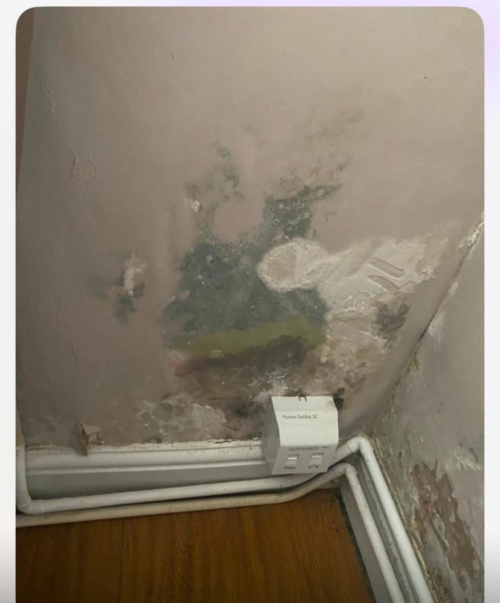
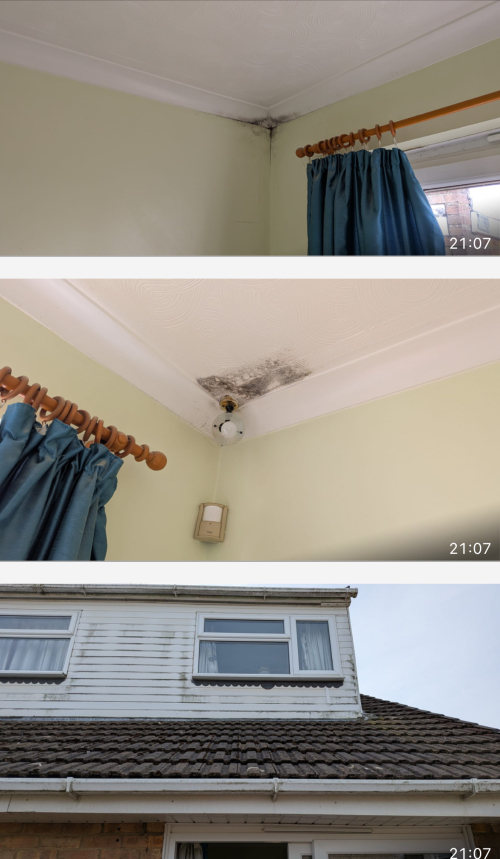
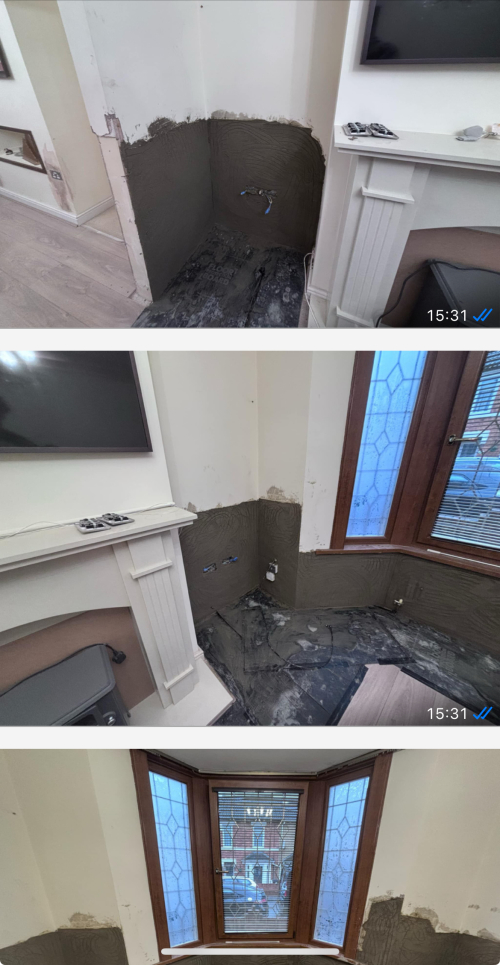
I would get a brick layer to look at the external and a damp specialist to look under the floor as water may have ingressed
It’s always possible but cost may be an issue.
would need to come take a look to assess the connection to main sewer or the installation of a seperate sewage solution
would need to come take a look to assess the connection to main sewer or the installation of a seperate sewage solution
This sounds incorrect and when messing with the supporting walls a structural engineer should offer the solution.
we would be looking to engage an engineer to make sure everything is correct (this would include consulting the building regulator)
we would be looking to engage an engineer to make sure everything is correct (this would include consulting the building regulator)
I would need to see this to assess what’s wrong. could be many things even a notch in trowel edge
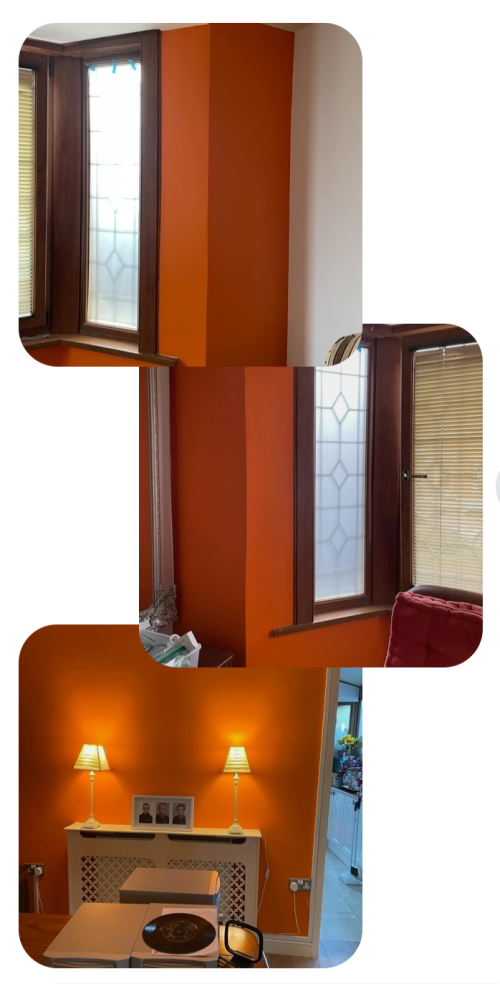
Priming a concrete wall is crucial for proper paint adhesion and a durable finish. it acts as a bridge between the concrete and the topcoat, ensuring the paint doesn't peel or crack prematurely. according to painting guides. use a high-quality acrylic or latex primer, preferably with 100% acrylic binders for exterior walls. for new concrete, use a masonry primer designed to prevent lime burn and efflorescence. apply the primer with a roller or brush, ensuring even coverage, and apply two coats for best results
Would you like a quote from this tradesperson?
Invite them to quote for your job & get a fast response.
- Other tradespeople may express their interest as well.