
Core3renovations
Location: Edinburgh, Midlothian
Member Since: 2nd May 2026
Feedback:
1 reviews, 100% Positive
Trades:
- Decorators
About Us:
My name is Kamil Strzelec, and I take pride in delivering high-quality joinery and refurbishment work. I approach every project with care, attention to detail, and a strong focus on understanding each customer’s needs, whether the job is large or small. I enjoy my work because it allows me to combine practical skill with creativity, and there is real satisfaction in transforming spaces and producing finished work that will last for years.
Photos:
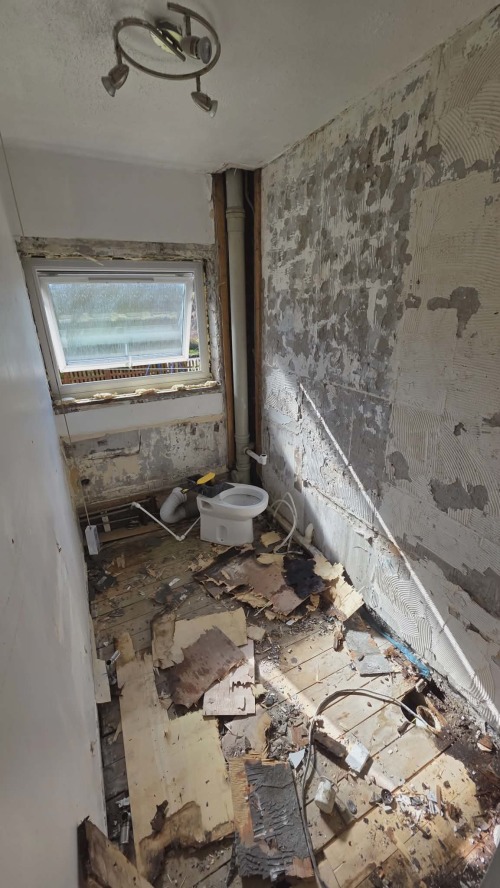
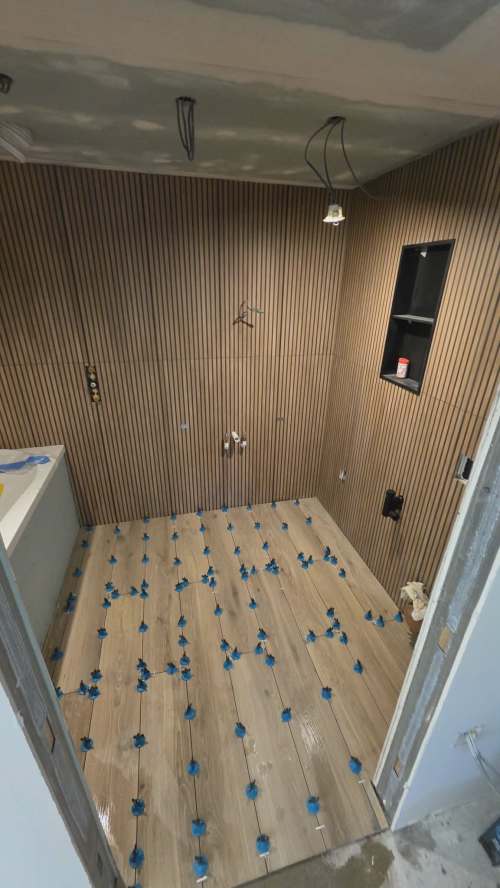
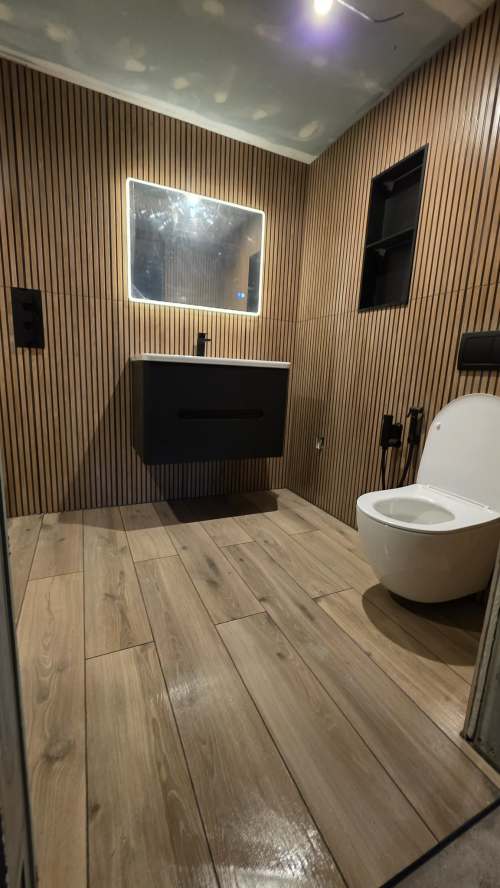
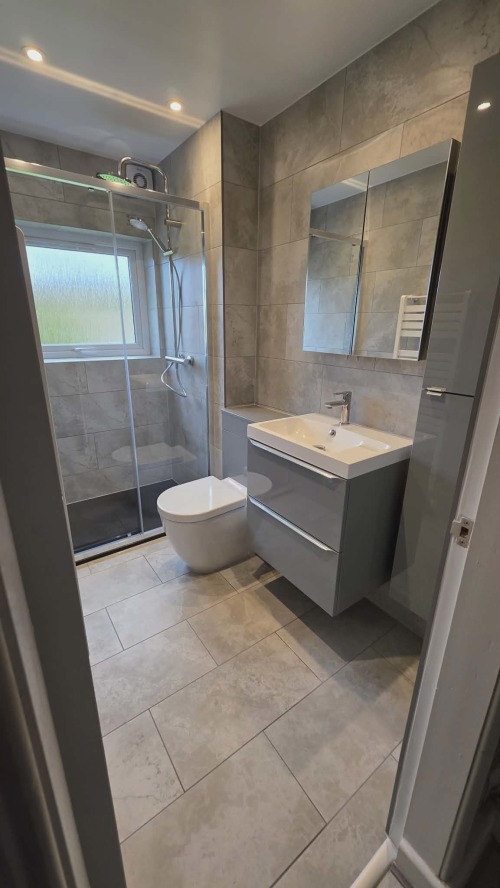
Feedback:
1 reviews, 100% Positive
Answers:
Good affordable choices
wickes general purpose spruce timberboard – a larger board that’s easy to cut and fit as a flat panel replacement.
solid pine furniture board 18mm – solid pine is easy to work with and finishes well if you’re planning to paint or stain.
knotty pine furniture board – similar but with a more rustic look from the knots; a good budget choice.
wickes pse redwood timber – a straightforward softwood board that’s cheap and workable.
treated / weather-resistant options
treated rough sawn whitewood spruce timber – treated wood helps resist rot if the door gets wet often.
pine timber external door frame sill 145mm – useful if you need a shaped piece or sill detail.
cheshire mouldings smooth square edge pine stripwood – good for clean trim around a panel.
a slightly higher grade but still reasonable
solid sapele hardwood timber external door frame sill – hardwood like sapele is stronger and more stable than softwoods if you want a longer-lasting panel (still more affordable than exotic species).
wickes general purpose spruce timberboard – a larger board that’s easy to cut and fit as a flat panel replacement.
solid pine furniture board 18mm – solid pine is easy to work with and finishes well if you’re planning to paint or stain.
knotty pine furniture board – similar but with a more rustic look from the knots; a good budget choice.
wickes pse redwood timber – a straightforward softwood board that’s cheap and workable.
treated / weather-resistant options
treated rough sawn whitewood spruce timber – treated wood helps resist rot if the door gets wet often.
pine timber external door frame sill 145mm – useful if you need a shaped piece or sill detail.
cheshire mouldings smooth square edge pine stripwood – good for clean trim around a panel.
a slightly higher grade but still reasonable
solid sapele hardwood timber external door frame sill – hardwood like sapele is stronger and more stable than softwoods if you want a longer-lasting panel (still more affordable than exotic species).
Given the condition you’ve described, taking the wall down and replacing it with a fence is a sensible and much more affordable option.
for a 7 m run at around 2 m high, the most cost-effective and reliable solution would usually be **pressure-treated timber fencing**. concrete posts with concrete gravel boards and closeboard (feather edge) panels on top are a popular choice in the ne6 area because they cope well with uneven ground, last longer than timber posts, and keep costs down compared to rebuilding in brick. once the unsafe wall is removed and the ground is levelled, posts can be set securely to deal with the unevenness you mentioned.
before starting, it’s important to check whether the wall is on a boundary and whether planning rules apply. in most cases, a 2 m fence is permitted without planning permission, especially at the rear of a property, but it’s worth confirming with newcastle city council for peace of mind. if the wall borders a pavement or public area, extra care will be needed during removal for safety.
if you’d like, i can give you a rough cost estimate, suggest materials or explain how to phase the work to keep costs as low as possible.
for a 7 m run at around 2 m high, the most cost-effective and reliable solution would usually be **pressure-treated timber fencing**. concrete posts with concrete gravel boards and closeboard (feather edge) panels on top are a popular choice in the ne6 area because they cope well with uneven ground, last longer than timber posts, and keep costs down compared to rebuilding in brick. once the unsafe wall is removed and the ground is levelled, posts can be set securely to deal with the unevenness you mentioned.
before starting, it’s important to check whether the wall is on a boundary and whether planning rules apply. in most cases, a 2 m fence is permitted without planning permission, especially at the rear of a property, but it’s worth confirming with newcastle city council for peace of mind. if the wall borders a pavement or public area, extra care will be needed during removal for safety.
if you’d like, i can give you a rough cost estimate, suggest materials or explain how to phase the work to keep costs as low as possible.
What you’re describing is almost certainly **salt contamination caused by moisture** coming through that section of the wall. the fine white powder that reappears and makes it look like you never painted is typical of **efflorescence or hygroscopic salts**. painting or skimming over it won’t solve it, which is why it keeps coming back even after plastering.
because it’s a **party wall**, the moisture source is often slow and hidden rather than an obvious leak. it could be residual damp in the masonry, salts from old plaster, or moisture migrating from next door. kitchens also add humidity, which activates salts even when the wall feels dry.
### why it keeps happening
* moisture moves through the wall and brings salts to the surface
* the water evaporates, leaving a fine powder
* paint and plaster break down and release again
* skimming just traps it temporarily
### what *will* work
you need to **isolate the salts**, not just cover them.
**step-by-step fix (most reliable method):**
1. **scrape and brush back** the affected area to bare, sound material
2. **dry the wall thoroughly** – use good ventilation or a dehumidifier for a few days
3. apply a **salt-stabilising / isolating sealer**, such as:
* zinsser **gardz** (very effective for this exact issue)
* or zinsser **bin** (shellac-based, excellent at blocking salts)
4. once fully dry, apply a **moisture-tolerant primer** (e.g. bullseye 123 if bin wasn’t used)
5. repaint with your finish coat
if the surface needs levelling, do it **after the sealer**, not before.
important
* do **not** use standard pva – it can make salt problems worse
* do **not** replaster unless salts are sealed first
* if the powder returns even after sealing, there may be an **active damp source** that needs investigating (guttering, external pointing, neighbour’s plumbing, etc.)
because it’s a **party wall**, the moisture source is often slow and hidden rather than an obvious leak. it could be residual damp in the masonry, salts from old plaster, or moisture migrating from next door. kitchens also add humidity, which activates salts even when the wall feels dry.
### why it keeps happening
* moisture moves through the wall and brings salts to the surface
* the water evaporates, leaving a fine powder
* paint and plaster break down and release again
* skimming just traps it temporarily
### what *will* work
you need to **isolate the salts**, not just cover them.
**step-by-step fix (most reliable method):**
1. **scrape and brush back** the affected area to bare, sound material
2. **dry the wall thoroughly** – use good ventilation or a dehumidifier for a few days
3. apply a **salt-stabilising / isolating sealer**, such as:
* zinsser **gardz** (very effective for this exact issue)
* or zinsser **bin** (shellac-based, excellent at blocking salts)
4. once fully dry, apply a **moisture-tolerant primer** (e.g. bullseye 123 if bin wasn’t used)
5. repaint with your finish coat
if the surface needs levelling, do it **after the sealer**, not before.
important
* do **not** use standard pva – it can make salt problems worse
* do **not** replaster unless salts are sealed first
* if the powder returns even after sealing, there may be an **active damp source** that needs investigating (guttering, external pointing, neighbour’s plumbing, etc.)
Other Tradesmen in Edinburgh
Would you like a quote from this tradesperson?
Invite them to quote for your job & get a fast response.
- Other tradespeople may express their interest as well.